Women with pre-eclampsia are at increased risk of chronic kidney disease
Women who develop pre-eclampsia during pregnancy have a markedly higher risk of developing high blood pressure and chronic kidney disease later in life, a new study from Aarhus University shows. The study points to protein in the urine as an indicator of increased risk.
In Denmark, around 2,500 pregnant women develop pre-eclampsia every year. The condition typically manifests as high blood pressure and increased protein in the urine, and some women experience symptoms such as severe headaches and visual disturbances. Pre-eclampsia cannot be treated during pregnancy, and for some women it becomes necessary to induce labour early in order to protect both mother and child.
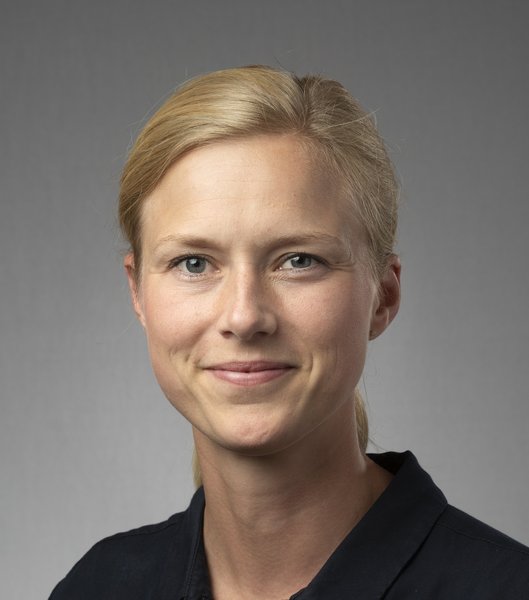
A new study now shows that pre-eclampsia may be linked to more permanent health problems for women, explains medical doctor and PhD Anne Høy Seemann Vestergaard from the Department of Clinical Medicine at Aarhus University.
“What we can see is a clear association between pre-eclampsia and the development of high blood pressure, chronic kidney disease and cardiovascular disease later in life.”
According to Anne Høy Seemann Vestergaard, the amount of protein in the urine during pregnancy is an indicator of the risk of developing chronic diseases after pregnancy.
“The most surprising finding was how clearly the amount of protein in the urine during pre-eclampsia was linked to the risk of later high blood pressure and chronic kidney disease. Women with moderate to severe protein excretion had a higher risk of both conditions compared with women with low or no protein excretion.”
The study shows that among women with pre-eclampsia and moderate to severe protein in the urine, around 1 in 20 develop chronic kidney disease within 10 years, while around 1 in 6 develop high blood pressure.
Women should be followed more closely after giving birth
Although the vast majority of women do not develop complications, the study points to an increased risk that should be taken seriously, as the potential complications can be severe, says Anne Høy Seemann Vestergaard.
“At first glance, this may sound like a low number, but it represents a markedly increased risk when the groups are compared. In the group with pre-eclampsia and high levels of protein in the urine, around 1 in 20 women developed chronic kidney disease within ten years – including early stages of the disease – compared with around 1 in 100 in the group with lower or no protein excretion.”
“That is a considerable number in light of the fact that chronic kidney disease is a potentially serious condition that can progress to kidney failure if isn’t diagnosed early.”
Based om the study’s findings, Anne Høy Seemann Vestergaard believes that there may be a need for more systematic follow-up of women after giving birth:
“Our study suggests that these women may benefit from monitoring of blood pressure and kidney function after pregnancy.”
According to Anne Høy Seemann Vestergaard, there are already places in Denmark where women with pre-eclampsia are followed closely after pregnancy. This includes the preventive clinic ”Hjertemor” at Esbjerg and Grindsted Hospital, where women receive multidisciplinary follow-up after giving birth.
About the research findings:
- Study type:
Nationwide, population-based cohort study based on routinely collected individual-level data from medical databases. - Collaborators in Denmark and abroad:
Collaboration with Professor Paola Romagnani, Department of Experimental and Clinical Biomedical Sciences “Mario Serio”, University of Florence, Italy. - External funding:
The project has received funding from the European Research Council (ERC) under the European Union’s Horizon 2020 research and innovation programme, awarded to Paola Romagnani, as well as from the Independent Research Fund Denmark. - Information about any conflicts of interest
None. - Read more in the scientific article:
https://obgyn.onlinelibrary.wiley.com/doi/10.1111/1471-0528.70265
Contact:
Medical doctor and PhD Anne Høy Seemann Vestergaard
Department of Clinical Medicine, Faculty of Health, Aarhus University
Tel. +45 27823589
Email: [email protected]