How we help police detect nitrous oxide in traffic
Researchers from the Department of Forensic Medicine are helping the police in a new project that makes it possible to detect drivers’ use of nitrous oxide directly at the roadside.

Significant increase in cases
In 2019, the police received 57 reports of traffic-related cases involving nitrous oxide.
In 2025, the figure had risen to 866.
The Copenhagen West Police and Funen Police are testing the screening device in a pilot project in collaboration with researchers from the departments of forensic medicine at Aarhus University and the University of Copenhagen.
Several Danish media outlets have covered the pilot project this week.
The aim is to make it easier for patrols to screen road users on the spot. At the same time, the project may have a preventive effect, as the risk of being detected increases.
Source: politi.dk
It is dangerous for both you and others if you get behind the wheel with nitrous oxide in your system.
Even so, until now the police have not been able to test drivers for nitrous oxide use in connection with, for example, accidents or traffic stops.
That is now changing. Researchers from the Department of Forensic Medicine are contributing to a pilot project in which two police districts, among the first in Europe, are testing a new device that can measure nitrous oxide in exhaled air.
The police initiative is based on results from an ongoing PhD project at the Department of Forensic Medicine and comes in response to growing problems with nitrous oxide in traffic and several serious accidents.
Voluntary test subjects were given gas
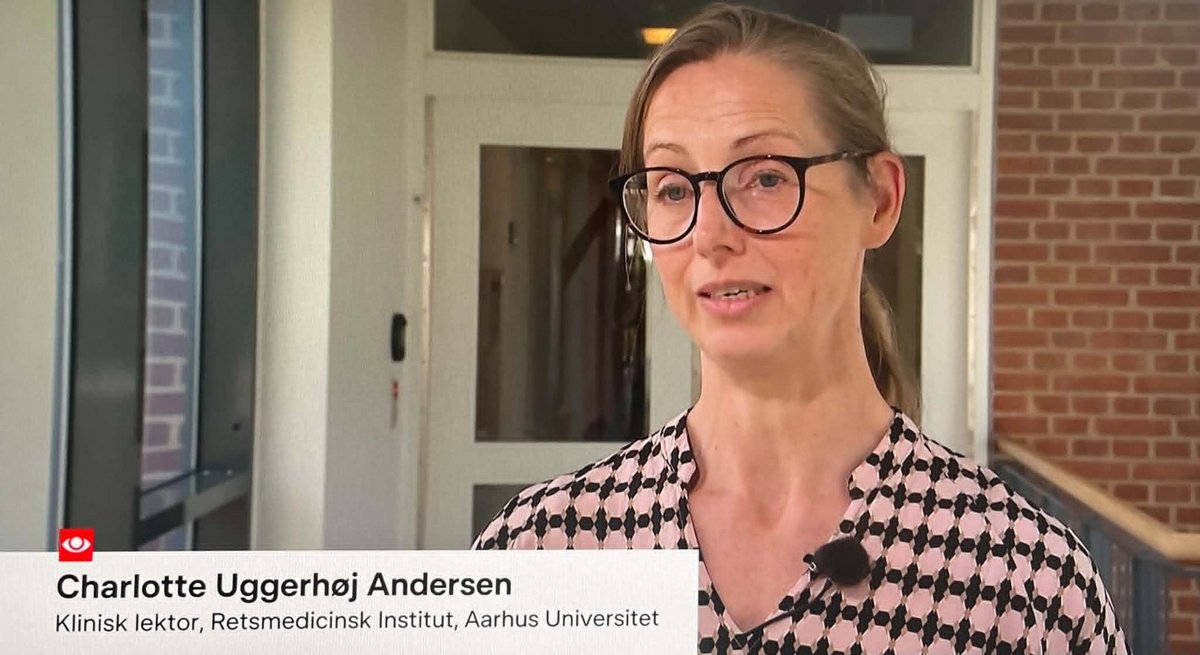
“There has been a widespread belief that nitrous oxide leaves the body quickly and is therefore almost impossible to detect. But our preliminary research shows that detection is possible for some hours after use,” says Charlotte Uggerhøj Andersen, consultant and clinical associate professor at the Department of Forensic Medicine.
“We have conducted a targeted clinical study with voluntary test subjects, which provides a clearer picture of how nitrous oxide behaves in the body. The study has not yet been published, but the preliminary results indicate that nitrous oxide can be detected for significantly longer than previously assumed – both in exhaled air and in blood samples,” explains the researcher, who, together with colleagues from the department, has also tested the screening tool in clinical trials before the police began using it.
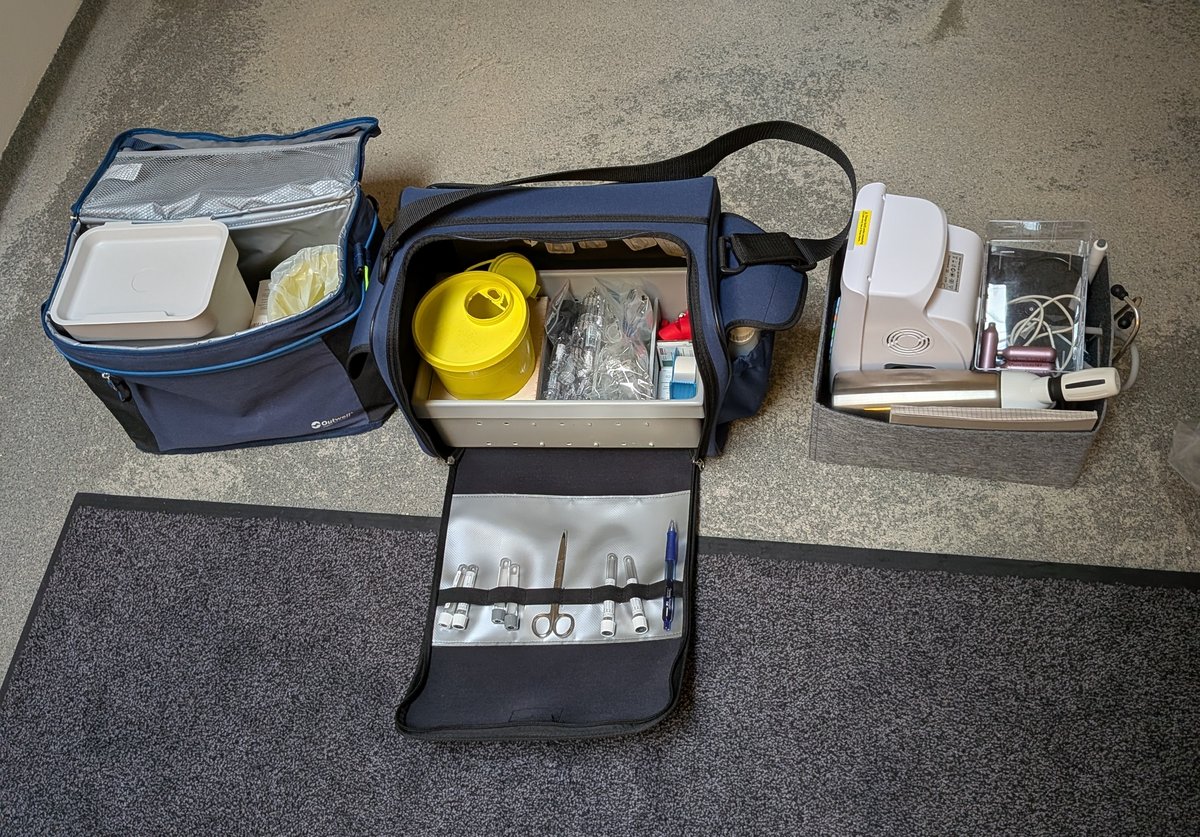
The screening tool, a handheld breath-testing device developed by the company Olythe, makes it possible for the police to test exhaled air in the same way as when alcohol or drug use is suspected.
As with a breathalyser, the nitrous oxide device can only be used as a screening tool that gives the patrol an indication of whether the driver has used nitrous oxide. The result cannot therefore be used as evidence, and the driver must still have a blood sample taken.
However, the device makes it possible to test and thereby detect significantly more people. At the same time, the screening can help ensure that fewer people who do not test positive are taken to hospital for blood sampling.

Researchers were first movers
In November 2025, a new executive order was introduced classifying nitrous oxide as dangerous to road safety. This means that driving with nitrous oxide in the blood now falls under the Danish Road Traffic Act’s rules on drug-impaired driving.
However, as early as 2022, researchers at the Department of Forensic Medicine began planning a clinical study to clarify the possibilities for measuring nitrous oxide in a traffic context.
“We could see that concern about nitrous oxide in traffic was growing. That is why we set out to investigate how and for how long nitrous oxide can be measured – and whether this can be done in a way that the police can use in practice,” says Charlotte Uggerhøj Andersen about the study, which is supported by the Council for the Victims Fund.
The police pilot project has been running since 1 January 2026 and is currently expected to continue until 50 positive screenings have been registered.
All positive screenings are confirmed with a specific analysis of a blood sample. The project will then be evaluated, and the police will assess whether the screening tool should become a permanent part of the equipment in all districts.
The preliminary feedback has been positive.
Contact
Kontakt
Clinical Associate Professor and Consultant Charlotte Uggerhøj Andersen
Aarhus University, Department of Forensic Medicine and Aarhus University Hospital, Clinical Pharmacology
Phone: +45 60 12 84 30
Email: [email protected]
Medical Doctor and PhD Student Anders Valentin Abildgaard Nielsen
Aarhus University, Department of Forensic Medicine
Phone: +45 40 27 50 00
Email: [email protected]